

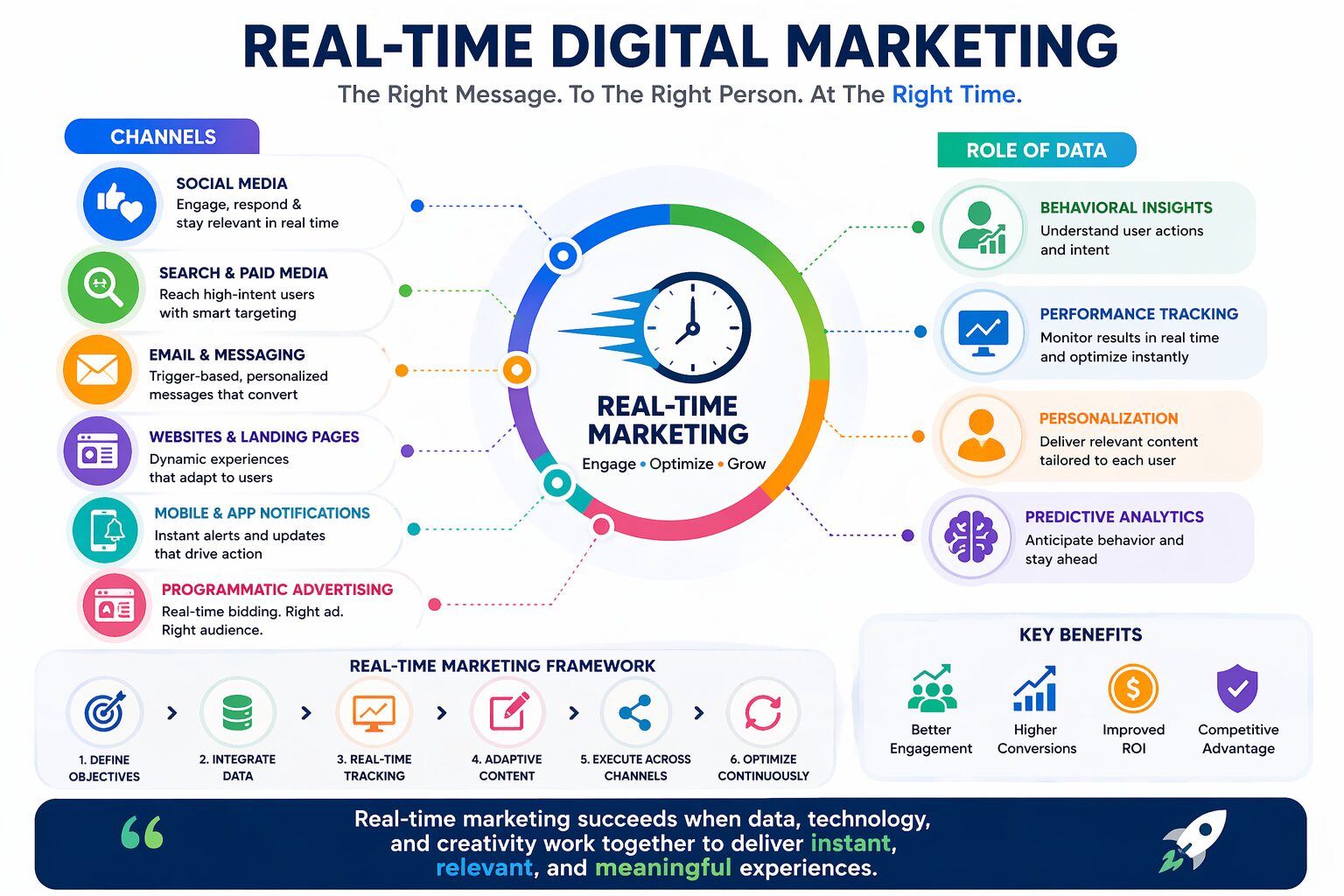
Digital Marketing Campaigns: Creating Scalable Strategies for Modern Growth
Digital marketing campaigns have transformed the way businesses connect with their audiences, moving beyond simple promotions to become structured, data-driven growth engines. In today’s fast-paced digital environment, campaigns are no longer isolated efforts. They are integrated experiences that combine strategy, creativity, and technology to deliver consistent and measurable results.
A successful digital marketing campaign is not defined by the number of impressions it generates but by the value it creates for both the business and its audience. It is about delivering the right message, through the right channels, at the right time, while continuously adapting to changing user behavior and market trends. At ibs fulcro, digital marketing campaigns are designed as holistic systems that align brand communication with performance objectives to drive sustainable growth.
Rethinking Digital Marketing Campaigns
Digital marketing campaigns can be understood as coordinated marketing efforts that leverage digital platforms to achieve specific business outcomes. These outcomes may range from increasing visibility and engagement to generating leads and driving conversions.
However, modern campaigns go beyond execution. They focus on creating journeys. Every interaction, whether it is a social media post, an email, or a landing page, contributes to a larger narrative that guides the audience toward a desired action.
The shift from fragmented marketing to integrated campaign ecosystems has made it essential for brands to think strategically. Campaigns must be designed to deliver consistent messaging while adapting to the unique characteristics of each platform.
Why Digital Marketing Campaigns Drive Business Impact
Digital marketing campaigns play a critical role in shaping business performance because they provide a structured approach to reaching and influencing audiences.
They enable brands to scale their reach across multiple platforms without losing control over messaging. They allow for precise targeting, ensuring that communication is delivered to users who are most likely to engage. Most importantly, they provide measurable insights that help businesses understand what works and what needs improvement.
One of the biggest advantages of digital campaigns is their ability to combine short-term performance with long-term brand building. While campaigns can drive immediate results such as leads or sales, they also contribute to building brand awareness, trust, and loyalty over time.
In a competitive market, this dual impact makes digital marketing campaigns a key driver of sustainable growth.
Building Blocks of Effective Digital Marketing Campaigns
Every successful campaign is built on a set of core components that ensure alignment and effectiveness.
Clear direction is essential. Without defined objectives, campaigns can lose focus and fail to deliver meaningful results. Objectives should be aligned with business goals and provide a clear framework for execution.
Audience understanding is another critical component. Campaigns should be based on real insights rather than assumptions. Understanding user behavior, preferences, and intent allows brands to create communication that feels relevant and personalized.
Message clarity plays a significant role in campaign success. A strong message should communicate value quickly and effectively. It should be simple enough to understand yet compelling enough to drive action.
Channel selection determines how effectively the message reaches the audience. Each platform has its own strengths, and choosing the right mix ensures better engagement and performance.
Creative execution brings the campaign to life. Visuals, storytelling, and design elements should work together to capture attention and create a memorable experience.
Performance tracking ensures that campaigns remain effective. Continuous monitoring allows brands to identify opportunities for improvement and optimize their strategies.
Different Campaign Models in Digital Marketing
Digital marketing campaigns can be structured in various ways depending on the objective and approach.
Social-driven campaigns focus on engagement and visibility through platforms like Instagram, Facebook, and LinkedIn. They are designed to encourage interaction and build community.
Search-led campaigns target users with high intent through search engines. These campaigns focus on capturing demand and driving conversions.
Content-driven campaigns aim to educate and inform audiences. They focus on building authority and creating long-term value through blogs, videos, and other content formats.
Email-driven campaigns prioritize personalization and direct communication. They are effective for nurturing leads and maintaining relationships.
Influencer-led campaigns leverage trusted voices to expand reach and build credibility.
Performance-focused campaigns are driven by measurable outcomes and rely heavily on data and optimization.
Each model serves a specific purpose, and combining them strategically can enhance overall campaign effectiveness.
Designing a Digital Marketing Campaign Framework
Creating a successful digital marketing campaign requires a well-structured framework that ensures alignment, consistency, and effectiveness across all stages. Without a clear framework, campaigns can become fragmented, leading to inconsistent messaging and reduced performance. A strong framework acts as a roadmap that guides every aspect of the campaign, from planning to execution and optimization.
A well-designed campaign framework not only improves efficiency but also ensures that all elements work together to achieve specific business objectives. It helps maintain clarity, streamline processes, and deliver a seamless experience to the audience.
Define Clear Goals
The foundation of any successful campaign lies in clearly defined goals. These goals should be specific, measurable, achievable, relevant, and time-bound. They provide direction and help teams understand what the campaign is trying to achieve. Whether the objective is to increase brand awareness, generate leads, improve engagement, or drive sales, having well-defined goals ensures that every action taken during the campaign contributes to a meaningful outcome.
Understand the Audience Journey
Understanding how the audience interacts with the brand at different stages is critical. The audience journey typically includes awareness, consideration, and conversion stages. Each stage requires a different type of communication. Campaigns should be designed to address user needs at every stage, ensuring that messaging remains relevant and engaging. By mapping the audience journey, brands can deliver the right message at the right time, improving both engagement and conversion rates.
Develop a Central Campaign Message
A strong and unified message acts as the backbone of the campaign. This message should clearly communicate the brand’s value proposition and remain consistent across all channels. It should be simple, compelling, and easy to understand. A well-defined message ensures that audiences receive a clear and cohesive communication experience, regardless of where they interact with the campaign.
Select the Right Mix of Channels
Choosing the appropriate channels is essential for maximizing reach and effectiveness. Different platforms serve different purposes and attract different audience segments. Brands should analyze where their audience is most active and select channels accordingly. A balanced mix of social media, search engines, email, and paid advertising ensures broader reach and better engagement.
Create High-Quality and Engaging Content
Content plays a central role in delivering the campaign message. It includes visuals, videos, written content, and interactive formats. High-quality content should be engaging, informative, and aligned with the campaign’s objectives. It should capture attention quickly, provide value to the audience, and encourage interaction. Consistency in content style and tone also strengthens brand identity.
Execute with Precision and Coordination
Execution is where planning turns into action. It involves launching the campaign across selected channels, managing timelines, and ensuring that all elements are delivered seamlessly. Proper coordination between teams ensures that messaging remains consistent and that the campaign runs smoothly without delays or disruptions.
Monitor Performance Continuously
Tracking campaign performance in real time is essential for understanding effectiveness. Metrics such as engagement, traffic, click-through rates, and conversions provide insights into how the campaign is performing. Continuous monitoring allows brands to identify trends, detect issues, and make necessary adjustments to improve results.
Evaluate and Optimize for Future Campaigns
Post-campaign evaluation helps identify strengths, weaknesses, and opportunities for improvement. By analyzing results, brands can refine their strategies and apply learnings to future campaigns. This continuous improvement process ensures long-term success and better performance over time.
Channels That Power Digital Marketing Campaigns
Digital marketing campaigns rely on a combination of channels working together to deliver a unified and impactful experience. Each channel plays a unique role in reaching, engaging, and converting audiences.
Social Media Platforms
Social media platforms such as Instagram, Facebook, LinkedIn, and Twitter are essential for building visibility and engagement. They enable real-time interaction, content sharing, and community building. These platforms allow brands to connect with their audience on a personal level, making them highly effective for increasing reach and driving engagement.
Search Engines
Search engines play a crucial role in capturing user intent. Through search engine optimization and paid search advertising, brands can reach users actively searching for relevant products or services. This makes search engines one of the most powerful channels for driving high-quality traffic and conversions.
Email Marketing
Email marketing provides a direct and personalized communication channel. It allows brands to nurture leads, share updates, and build long-term relationships with their audience. Personalized emails improve engagement and increase the likelihood of conversions.
Websites and Landing Pages
Websites and landing pages act as central hubs for campaign content. They provide detailed information, guide users through the decision-making process, and serve as key conversion points. Well-optimized landing pages improve user experience and increase the chances of achieving campaign goals.
Paid Advertising Channels
Paid advertising channels such as display ads, social media ads, and search ads help amplify reach and target specific audience segments. These channels are essential for scaling campaigns quickly and achieving immediate results.
Content Platforms
Content platforms such as blogs, video platforms, and publishing channels support storytelling and long-term engagement. They provide value to the audience and help build authority over time. Consistent content creation strengthens brand presence and supports sustainable growth.
The effectiveness of a campaign depends on how well these channels are integrated and aligned. A cohesive multi-channel approach ensures consistent messaging and maximizes overall impact.
The Role of Data in Campaign Optimization
Data is at the core of modern digital marketing campaigns. It provides valuable insights that help brands understand audience behavior, measure performance, and refine strategies for better results.
Understanding Audience Behavior
Data helps identify how users interact with content, what they prefer, and how they respond to different messages. This insight allows brands to create more targeted and relevant campaigns.
Measuring Campaign Performance
Metrics such as engagement rates, website traffic, conversion rates, and click-through rates provide a clear picture of how the campaign is performing. These metrics help evaluate effectiveness and identify areas for improvement.
Optimizing Campaign Strategies
Data-driven insights enable brands to make informed decisions and optimize campaigns in real time. Adjustments based on performance data help improve efficiency and achieve better outcomes.
Enhancing Personalization
Data allows brands to deliver personalized experiences by tailoring content and messaging to specific audience segments. Personalized campaigns are more engaging and effective.
Driving Continuous Improvement
Continuous analysis of data ensures that campaigns evolve and improve over time. This iterative approach leads to better performance and higher return on investment.
Challenges in Digital Marketing Campaigns
Despite their advantages, digital marketing campaigns come with several challenges that require careful management and strategic planning.
Maintaining Consistency Across Channels
Ensuring that messaging remains consistent across multiple platforms is one of the biggest challenges. Each channel has its own format and audience expectations, making it difficult to maintain uniform communication. Inconsistency can weaken brand identity and reduce campaign effectiveness.
Adapting to Rapidly Changing Trends
The digital landscape evolves quickly, with new trends, technologies, and platform updates emerging regularly. Brands need to stay updated and adapt their strategies to remain relevant and competitive.
Managing Content at Scale
Campaigns require a continuous flow of fresh and engaging content. Creating, managing, and distributing content across multiple channels can be resource-intensive and challenging.
Complex Performance Measurement
Measuring campaign effectiveness can be complicated due to multiple touchpoints influencing user behavior. Attribution becomes difficult when users interact with various channels before taking action.
Balancing Creativity and Performance
While creativity is essential for capturing attention, campaigns must also deliver measurable results. Striking the right balance between creativity and performance can be challenging.
Resource and Budget Constraints
Managing time, budget, and resources effectively is critical for campaign success. Limited resources can impact the quality and scale of campaigns.
Addressing these challenges requires a strategic approach that combines planning, creativity, data-driven decision-making, and continuous optimization. Brands that effectively manage these challenges are better positioned to create impactful and successful digital marketing campaigns.
How ibs fulcro Drives Campaign Success
At ibs fulcro, digital marketing campaigns are designed to deliver both impact and performance. The approach focuses on integrating strategy, creativity, and technology to create campaigns that are aligned with business objectives.
From understanding the audience to executing multi-channel campaigns and optimizing performance, every step is guided by data and insights. This ensures that campaigns are not only engaging but also effective in achieving measurable results.
Best Practices for Digital Marketing Campaigns
Successful campaigns are built on strong fundamentals. Clear objectives provide direction and focus. Audience insights ensure relevance. Consistent messaging strengthens brand identity.
High-quality content improves engagement and creates value for the audience. Strategic use of channels maximizes reach and effectiveness. Continuous optimization ensures that campaigns evolve and improve over time.
By following these practices, businesses can create campaigns that deliver both immediate results and long-term growth.
“Digital marketing campaigns are not just about reaching audiences, they are about creating experiences that influence decisions and drive meaningful outcomes”

